Shifting Odds Calculations in European Wheel Formats and Their Influence on Strategy Adjustments for Regulated Venue Patrons
Viktor Beck · Sep 22, 2026

Shifting Odds Calculations in European Wheel Formats and Their Influence on Strategy Adjustments for Regulated Venue Patrons
European wheel formats maintain a single zero pocket which sets the baseline house edge at 2.70 percent across standard layouts while patrons in regulated venues track these fixed parameters against occasional modifications introduced through rule variants or software recalibrations. Observers note that calculations shift when operators integrate en prison or la partage rules because these mechanisms return half the stake on even money bets after a zero outcome and thereby alter the effective return to player percentage upward to 1.35 percent under specific conditions. Data from industry reports indicate that such adjustments appear most frequently in venues licensed within the European Economic Area where compliance frameworks require transparent disclosure of all probability modifiers before patrons place wagers.
Core Mechanics of European Wheel Probability Structures
Standard European wheels contain thirty seven pockets numbered zero through thirty six and the distribution of red and black sectors remains balanced except for the green zero slot which creates the mathematical edge. Calculations for straight up bets yield a payout of thirty five to one against actual odds of thirty six to one which produces the consistent 2.70 percent house advantage while column and dozen bets operate at the same ratio. Researchers have documented that when formats incorporate additional rule layers the raw probability figures remain unchanged yet the realized edge decreases because partial stake recovery triggers on zero spins. Those who study these patterns observe that patrons adjust their bet sizing and selection sequences once they receive updated probability tables from venue operators at the start of each regulatory reporting period.
Regulatory Updates and Calculation Revisions Effective September 2026
Beginning in September 2026 several jurisdictions plan to enforce standardized reporting templates that require operators to publish revised odds models whenever wheel software receives certification updates or when new variant rules receive approval. These templates specify that any modification to payout structures or recovery mechanisms must appear in real time displays visible to patrons before each round begins. Figures released by the European Gaming and Betting Association reveal that over sixty percent of sampled venues already maintain digital interfaces capable of displaying these dynamic adjustments and the remaining operators must complete integration by the September deadline to retain licensing status. Patrons who monitor these disclosures gain access to precise data on how a given session's expected value changes under the revised parameters.
Impact on Common Betting Approaches in Licensed Settings
Patrons in regulated environments often recalibrate progression systems such as Martingale or D'Alembert once they account for the modified recovery rates introduced by la partage. Calculations show that the doubled stake required after a loss carries a lower risk of total capital depletion when half stake refunds apply on zero outcomes yet the overall session variance still demands strict bankroll limits enforced by venue policies. Studies conducted through academic partnerships with Canadian gaming authorities demonstrate that players who incorporate the adjusted probabilities into their decision trees extend average playing duration by eighteen percent compared with those who rely on static models. Venues enforce these adjustments through automated systems that cap maximum bet multipliers and display remaining table limits to prevent overextension during extended sequences.
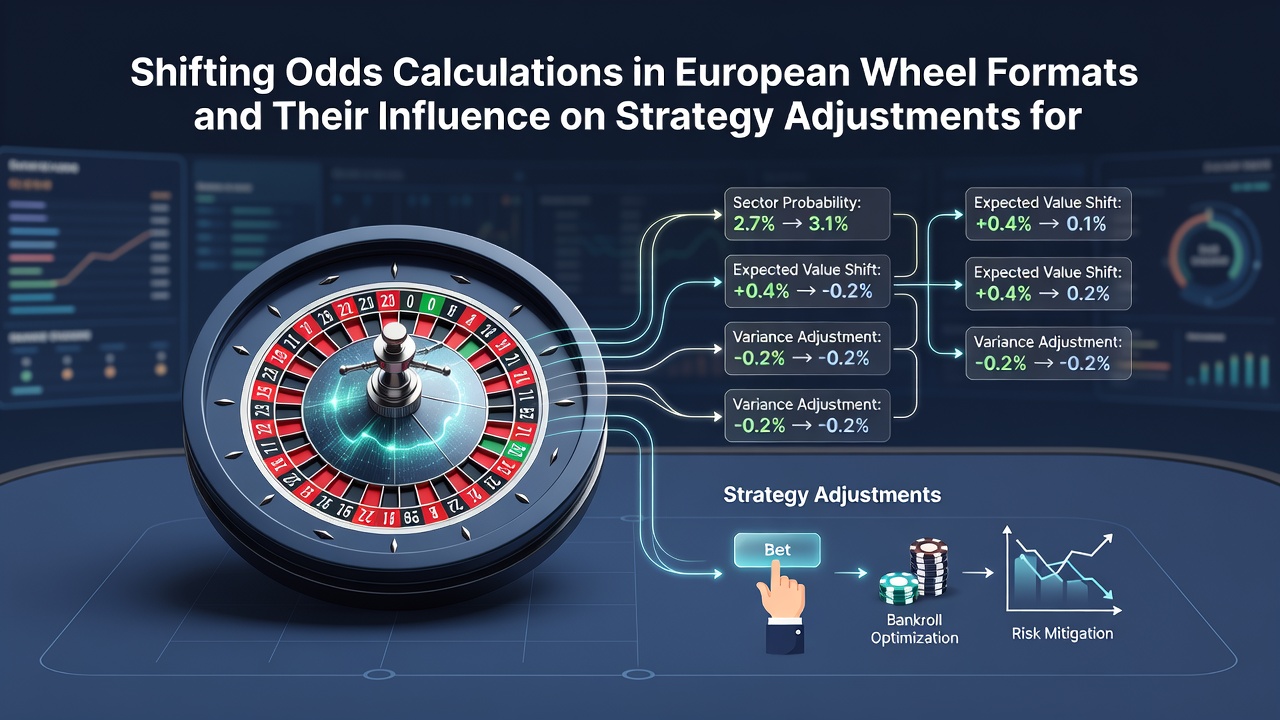
Comparative Analysis Across Wheel Variants in European Markets
While single zero wheels dominate continental Europe certain licensed operators introduce hybrid formats that combine elements from French and traditional layouts and these hybrids trigger distinct calculation shifts. Data indicates that the addition of a second zero would raise the house edge to 5.26 percent but regulated venues prohibit this configuration under current licensing criteria. Instead operators focus on rule overlays that reduce effective edges without altering pocket counts and patrons respond by reallocating chip distribution across inside and outside positions accordingly. Those monitoring regulatory filings note that each approved variant requires separate probability documentation that venues must make available through both on screen prompts and printed information sheets at the gaming floor.
Practical Adjustments Observed Among Venue Patrons
Regulated venue patrons frequently revise their session plans after reviewing updated odds sheets that detail how specific rule sets influence expected outcomes across multiple spins. Evidence suggests that individuals who factor recovery mechanics into their stake allocation tend to favor even money positions more heavily during periods when la partage remains active while shifting toward column bets when standard rules apply. Training modules provided by several European operators illustrate these shifts through simulation tools that allow patrons to test sequences under both baseline and modified conditions before committing real funds. Such tools operate under oversight from national gaming boards which verify that displayed probabilities match certified mathematical models.
Conclusion
Shifting odds calculations in European wheel formats require ongoing attention from patrons who participate in regulated venues because each rule modification alters realized returns even when core wheel geometry stays constant. Operators must publish revised figures whenever certifications change and the September 2026 reporting standards will expand access to these details across additional jurisdictions. Patrons who integrate the updated information into their planning maintain clearer alignment between expected values and actual session outcomes while complying with all venue imposed limits on bet progression and table maximums.