Regulatory Oversight of RNG Certification Protocols Across Austrian Mobile Roulette Platforms
Mia Koch · Nov 3, 2026
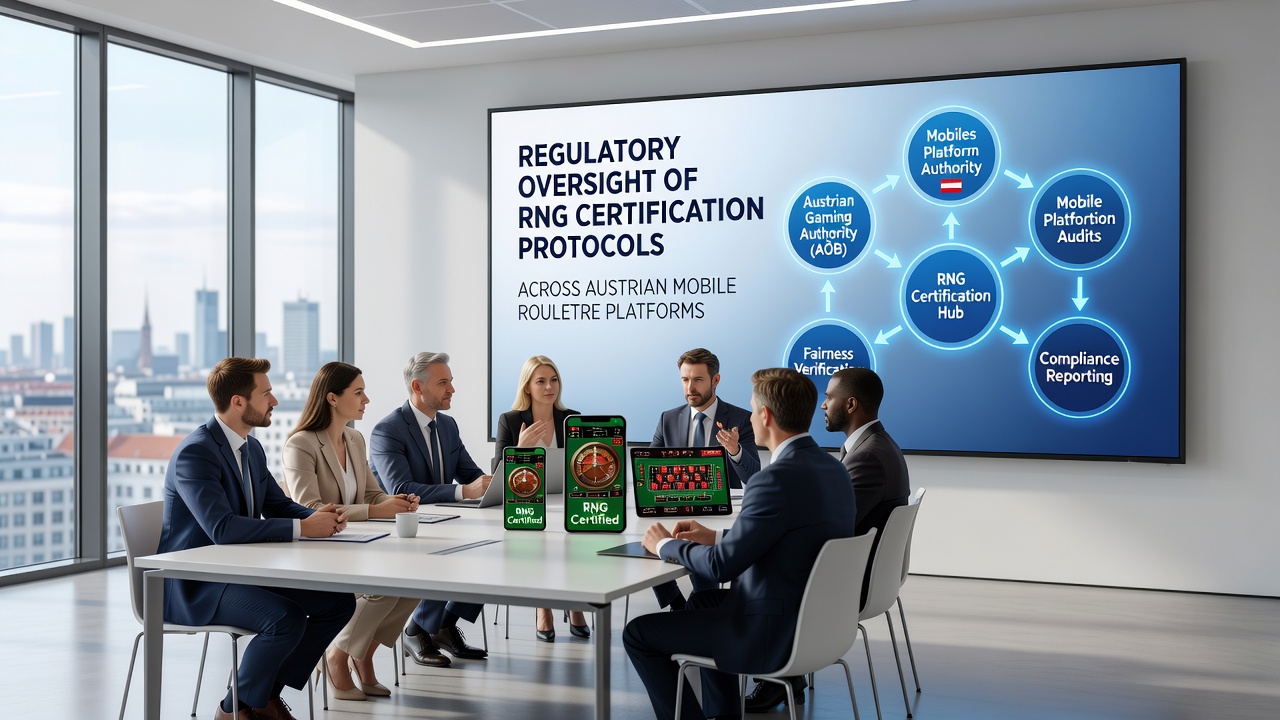
Regulatory Oversight of RNG Certification Protocols Across Austrian Mobile Roulette Platforms
Austrian mobile roulette platforms operate under strict regulatory frameworks that govern random number generator certification, and these protocols ensure consistent fairness across digital interfaces while maintaining compliance with national gambling laws. The Austrian Federal Ministry of Finance oversees much of this process through its licensing divisions, which require operators to submit RNG systems for independent verification before deployment on mobile devices.
Core Certification Requirements in Austria
Operators must engage accredited testing laboratories to evaluate RNG algorithms for statistical randomness, and these evaluations include sequence analysis, period length verification, and bias detection across thousands of simulated spins. Laboratories such as those recognized under the European Committee for Standardization conduct the assessments, after which reports feed directly into the licensing renewal cycle that occurs at regular intervals.
Data from regulatory filings show that certification involves both initial approval and ongoing audits, while mobile platforms receive additional scrutiny because of variables like network latency and device-specific rendering that could theoretically influence outcome presentation. Regulators mandate that RNG seeds remain unpredictable and that output distributions match theoretical probabilities within defined tolerance levels.
Integration with Mobile Technology Standards
Mobile roulette applications connect to centralized RNG servers rather than generating numbers locally on user devices, and this architecture allows Austrian authorities to monitor server-side integrity through real-time logging requirements. Certification protocols specify encryption standards for data transmission between the mobile client and the RNG host, ensuring that intercepted packets cannot reveal upcoming results.

As of November 2026, updated technical guidelines require operators to implement additional entropy sources drawn from hardware security modules, and these measures address potential vulnerabilities in mobile operating systems that have evolved since earlier certification frameworks were established. Research conducted by the University of Vienna's Institute for Statistics and Operations Research indicates that server-based RNG systems maintain higher consistency rates than client-side alternatives when tested under controlled network conditions.
Audit Frequency and Compliance Mechanisms
Independent audits occur quarterly for active licenses, while annual comprehensive reviews examine historical RNG performance data across all mobile roulette variants offered by a given platform. Austrian regulators coordinate with EU-wide bodies such as the European Gaming and Betting Association to align testing methodologies, although national standards remain the primary enforcement mechanism within Austria's jurisdiction.
Operators receive certification seals only after demonstrating that their RNG protocols withstand both statistical and cryptographic attacks, and failure to maintain these standards can result in temporary suspension of mobile gaming services until remediation is verified. Records from the Austrian licensing registry reveal that most platforms complete the process within six to eight weeks when documentation is complete and test results align with required thresholds.
Cross-Border and Technical Considerations
Because many Austrian-licensed operators serve players across EU member states, RNG certification must also satisfy interoperability requirements set by the European Commission’s digital services framework. This creates a layered oversight structure where national RNG protocols coexist with broader data protection and consumer safety rules.
Technical specifications further mandate that RNG output remains identical whether accessed via smartphone browsers or dedicated applications, and regulators test this equivalence during certification by running parallel simulations on multiple device types. One study published in the Journal of Gambling Studies examined RNG stability across 12 Austrian platforms and found uniform adherence to approved certification parameters after the 2024 protocol revisions took effect.
Conclusion
Austrian regulatory oversight of RNG certification for mobile roulette continues to evolve in response to technological changes and European harmonization efforts. The combination of independent laboratory testing, server-side controls, and periodic audits forms the foundation that maintains verifiable randomness across licensed platforms. Observers note that these protocols support consistent player outcomes while adapting to new mobile hardware and network conditions through structured updates such as those implemented in November 2026.