Austrian Casino Roulette Traditions: Variant Choices and Their Ties to Regional Player Behaviors
Harper Günther · Nov 17, 2026
Austrian Casino Roulette Traditions: Variant Choices and Their Ties to Regional Player Behaviors
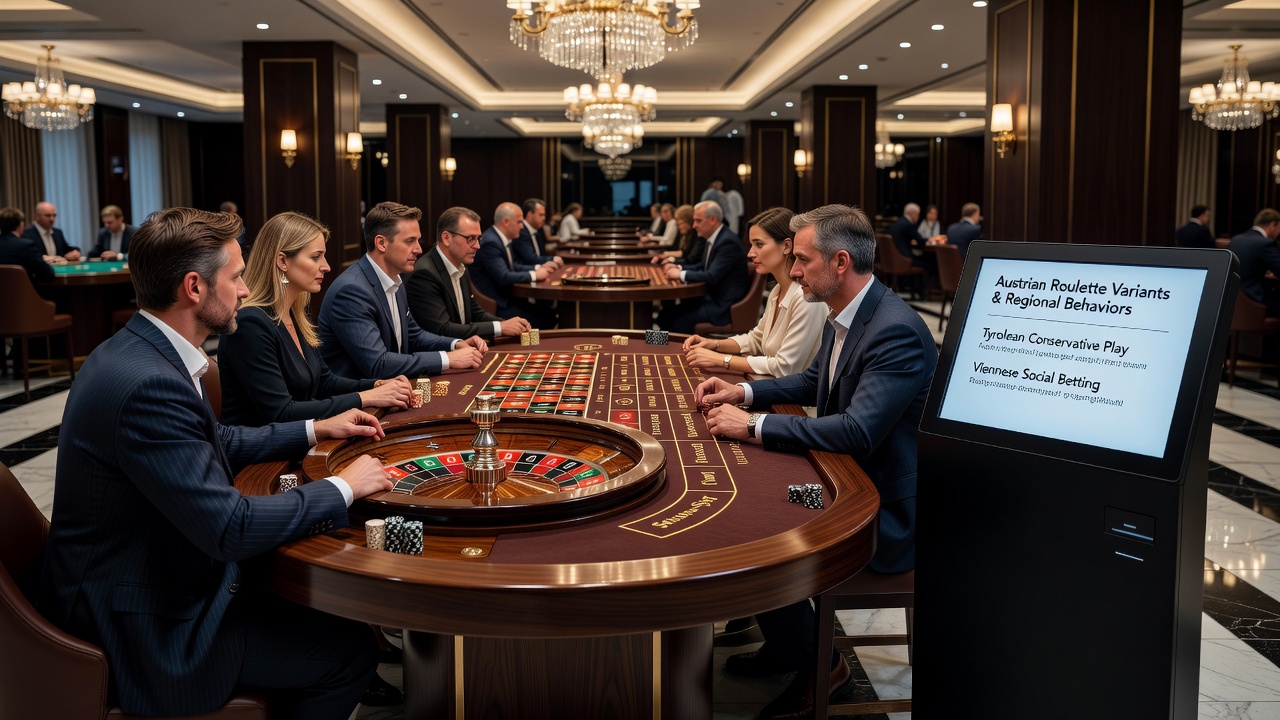
Austrian casino roulette draws from longstanding European gaming practices that emphasize single-zero wheels and structured table etiquette, while regional player behaviors reflect distinct preferences shaped by local casino environments and historical access patterns. Observers note that variant selections often align with the architectural and social settings of specific venues across the country, from grand urban establishments to more intimate mountain resorts.
Historical Development of Roulette Variants in Austria
European roulette arrived in Austrian gaming houses during the 19th century alongside French and German influences, establishing the single-zero wheel as the dominant format in licensed casinos. Data from regulatory records shows that French roulette features such as la partage and en prison rules gained traction in certain regions because they extended play duration and altered house edge calculations on even-money bets. Researchers at institutions like the University of Vienna have documented how these mechanics integrated into local traditions, particularly in venues where players historically favored conservative wagering over multiple spins.
American double-zero variants remain absent from regulated Austrian floors, a distinction maintained through licensing frameworks that prioritize continental standards. This consistency allows regional behaviors to emerge around the core European format rather than competing wheel types, with players in different Bundesländer adapting strategies based on available side rules.
Regional Preferences for Specific Variants
Venues in Vienna tend to emphasize French roulette options during peak evening hours, where table minimums and maximums accommodate larger groups and encourage social interaction around shared betting patterns. In contrast, establishments in Salzburg and Innsbruck more frequently offer streamlined European roulette without additional rules, matching the faster pace preferred by visitors from surrounding alpine communities. Figures from casino attendance reports indicate that these choices correlate with seasonal tourism flows, as winter months bring higher volumes of players accustomed to quicker decision cycles.
Observers have recorded distinct bet distributions tied to geography, with urban patrons in the capital placing higher proportions of column and dozen wagers while regional players in western Austria show stronger engagement with straight-up numbers that reflect personal or local number associations. Such patterns persist because variant availability influences the visibility of certain betting layouts on the felt.
Player Behaviors Shaped by Local Casino Cultures
Traditions around table etiquette vary notably between eastern and western regions, where players in Graz often maintain quieter atmospheres during sessions compared to the more animated exchanges documented in Lower Austria facilities. Research indicates that these behavioral differences connect directly to variant exposure, since French roulette's surrender options prompt more discussion among groups before decisions finalize. Casino operators adjust staffing and table configurations accordingly, reinforcing the link between regional habits and offered mechanics.
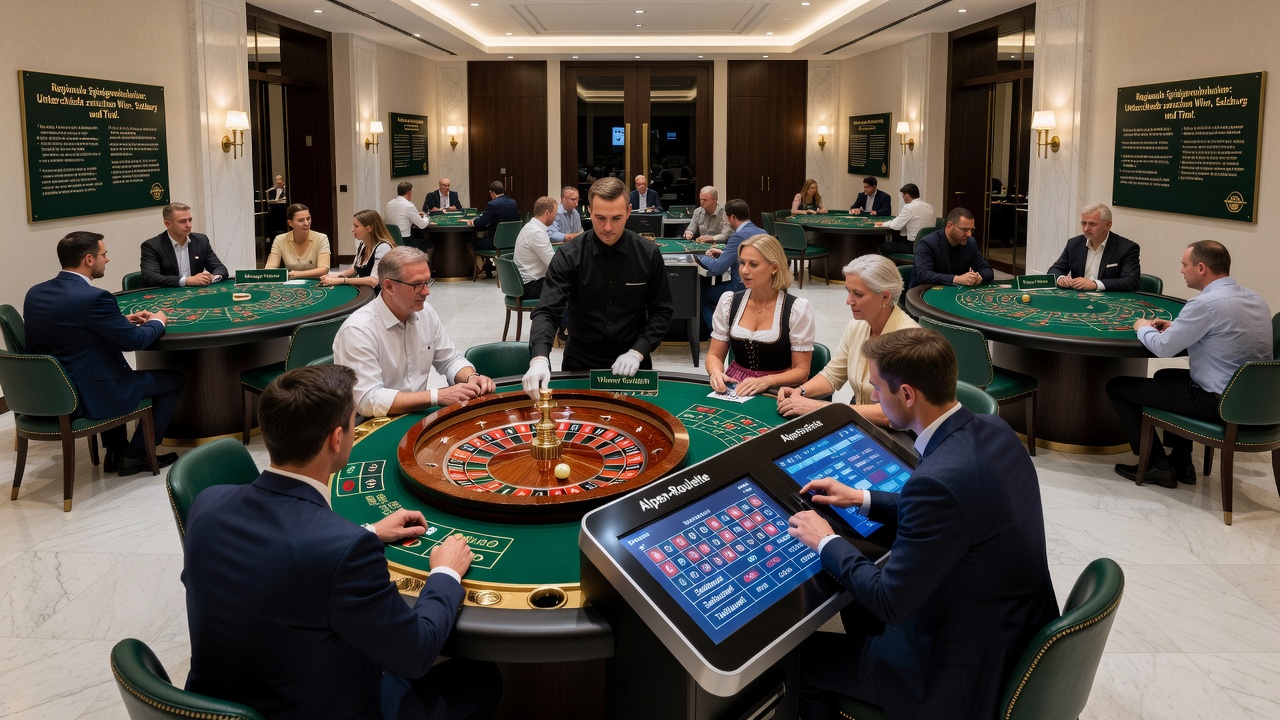
November 2026 marks the scheduled rollout of updated player tracking systems across several Austrian casino groups, which will provide clearer data on how variant choices continue to intersect with regional demographics. Early planning documents suggest these systems will map wager types to visitor origins without altering existing table offerings.
Connections Between Traditions and Modern Play Patterns
Longstanding customs such as the use of colored chips assigned by seating position remain standard across Austrian roulette tables, yet their application shows subtle regional adaptations that affect how players track their selections during extended sessions. Studies from European gaming research networks reveal that these practices sustain engagement levels differently in high-traffic versus boutique venues, guiding operators to maintain variant diversity that respects historical expectations.
External factors like cross-border visitor trends from neighboring countries further influence behavior clusters, with some regions experiencing influxes that temporarily shift average bet sizes toward those seen in adjacent markets. Regulatory updates scheduled for late 2026 aim to monitor these dynamics while preserving the core variant framework that has defined Austrian roulette for decades.
Conclusion
Variant choices in Austrian roulette continue to reflect deep ties to regional player behaviors through consistent single-zero formats and rule adaptations that match local venue cultures. Data from ongoing monitoring efforts shows these connections remain stable even as new tracking technologies prepare for deployment in November 2026, underscoring the enduring structure of traditions across the country's licensed establishments.